


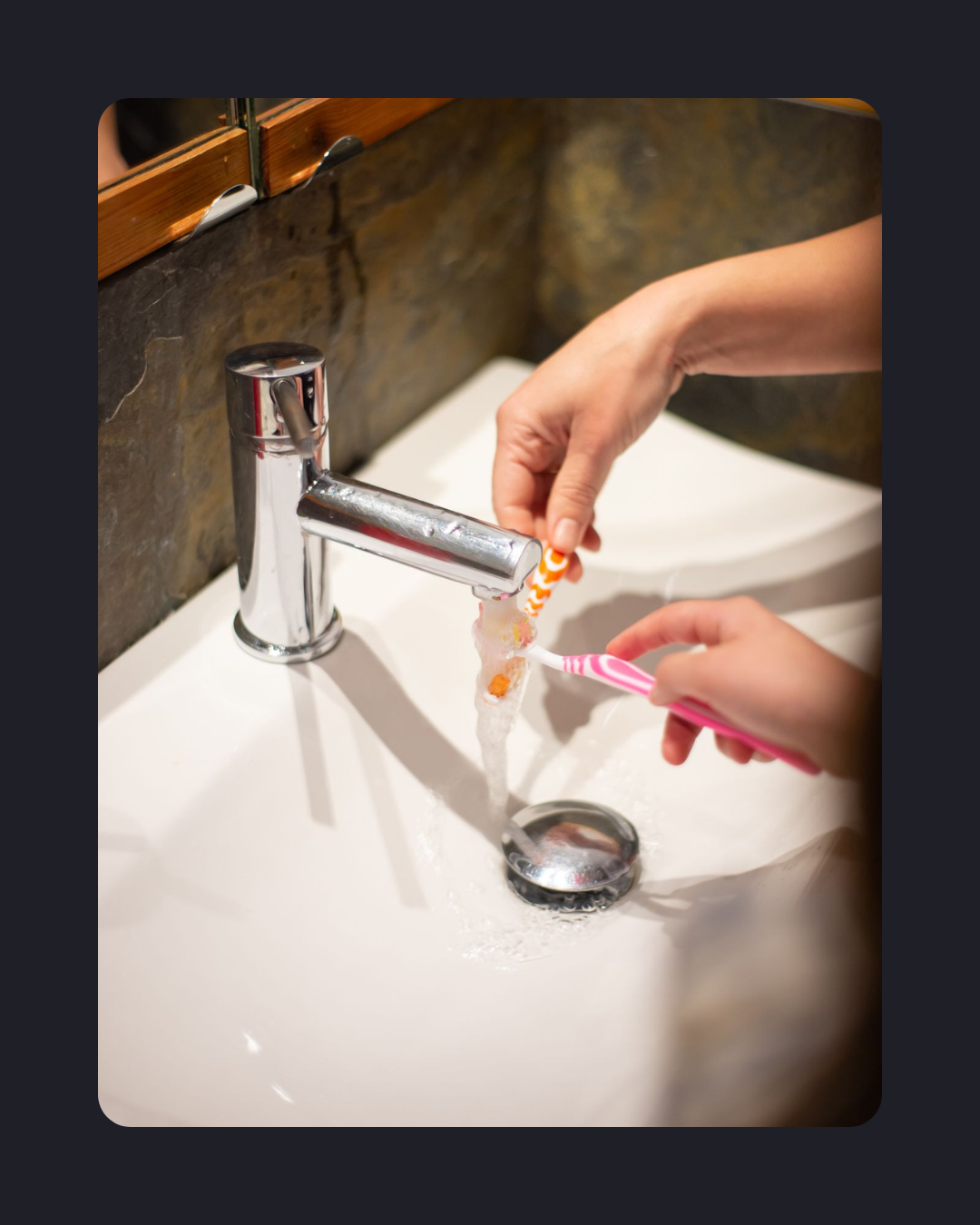
Choosing between an electric and manual toothbrush can feel more complicated than it needs to be. Both can clean your teeth effectively when you use the right technique, brush long enough, and stay consistent. The better choice often comes down to which toothbrush helps you clean thoroughly every day.
At Heart of the City Dental, we care less about whether your toothbrush plugs in and more about whether it is helping you remove plaque without damaging your teeth or gums. Understanding the benefits of each option can help you choose what works best for your routine.
Key Takeaways
- Both electric and manual toothbrushes can effectively remove plaque when used correctly
- Electric toothbrushes may make thorough brushing easier for some people
- A soft-bristled brush is generally the best choice for protecting teeth and gums
- Technique and brushing time matter regardless of the toothbrush you use
- The best toothbrush is one you can comfortably and consistently use twice a day
Are Electric Toothbrushes Better?
There is some evidence that powered toothbrushes can remove more plaque and reduce gingivitis compared with manual brushes. A Cochrane review of powered and manual toothbrushes found modest reductions in plaque and gum inflammation among people using powered brushes. However, the researchers also noted that the long-term clinical importance of those differences was less clear.
Electric toothbrushes can be especially helpful if you have trouble with manual dexterity, wear braces, or simply struggle to brush thoroughly. Many models also include two-minute timers or pressure sensors that make it easier to avoid rushing or pressing too hard. The American Dental Association notes that powered brushes may be easier to use for children, older adults, people with disabilities, and people with dental appliances.
Can a Manual Toothbrush Work Just as Well?
A manual toothbrush can absolutely be part of an effective oral hygiene routine. According to the ADA, both manual and powered toothbrushes can effectively remove plaque when used properly. Manual brushes are inexpensive, easy to find, and do not require charging or replacement batteries.
The important part is how you use it. Choose a soft-bristled brush and spend about two minutes brushing twice each day. Clean the fronts, backs, and chewing surfaces of your teeth, and pay attention to the gumline and back molars. The ADA also recommends replacing your toothbrush about every three to four months, or sooner if the bristles become frayed.
What Should You Look for in a Toothbrush?
Whether you choose electric or manual, look for a brush with soft bristles that fits comfortably in your mouth. A brush head that is too large may make it difficult to reach your back teeth, while stiff bristles or aggressive brushing can irritate your gums.
You can also look for the ADA Seal of Acceptance. Toothbrushes that earn the seal have been evaluated for safety and effectiveness in removing plaque and reducing gingivitis. Our preventive dental care can also help you identify areas you may be missing and determine whether a different toothbrush or technique would make your home routine easier.
Which Toothbrush Should You Choose?
An electric toothbrush may be worth trying if you struggle to brush for a full two minutes, have limited hand movement, wear orthodontic appliances, or simply find that the powered brush helps you clean more consistently. If you already use a manual toothbrush thoroughly and comfortably, there may be no need to switch.
The most important thing is consistency. Brush twice a day with fluoride toothpaste, clean between your teeth daily, and keep up with regular dental visits. If you are unsure whether your current routine is doing enough, contact Heart of the City Dental. We can help you choose tools and habits that make it easier to protect your teeth and gums every day.


Comments: